
The Complete Ducted Air Conditioning Setup Guide for Brisbane Homes
A complete guide to ducted air conditioning for Brisbane homes — system sizing, zoning, running costs and what to expect from a professional installation.
- ARCtick licenceL117206
- Refrigerant tradingAU57185
- Electrical licence146856
- Blue card2591853-1
- Public liability$10M cover
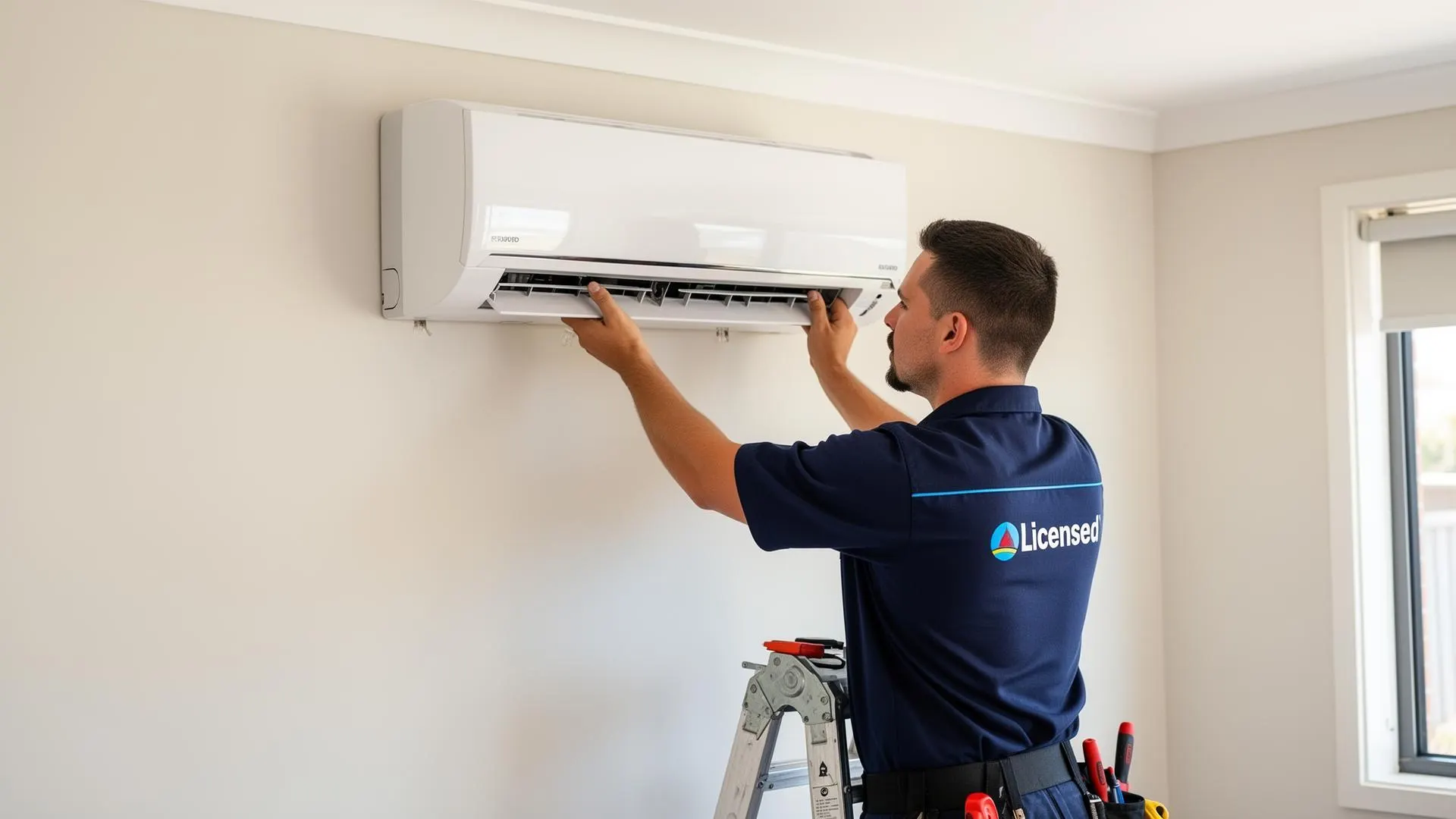
Planning a whole-home cooling solution in Brisbane? Our comprehensive ducted air conditioning setup guide walks you through everything you need to know before investing in a premium ceiling-concealed system. A masterfully designed ducted setup offers discreet climate control, energy-efficient zoning, and superior comfort for your family.
However, a sub-standard installation can lead to skyrocketing electrical bills and ongoing repair headaches. Whether you are building a new house in Moreton Bay or retrofitting an existing property, understanding the critical setup steps—from load sizing and zone planning to electrical upgrades—guarantees a pristine finish and flawless performance.
Ready to upgrade your home's climate control? Call the experts at Hart Air Conditioning & Refrigeration on 0450 313 517 or contact us online for a free, professional consultation.
Essential Components of Your Ducted Air Conditioning Setup Guide
Before launching into system sizes and layouts, it is crucial to understand how a ducted system operates as a cohesive unit. Unlike wall-hung split systems that treat individual spaces, a ducted air conditioner acts as a central hub for the entire home.
A professional ducted air conditioning setup guide begins with understanding these core components:
- Indoor Unit (Fan Coil)
Typically concealed within your ceiling cavity or under the floor. This unit houses the evaporator coil and the main fan that distributes conditioned air throughout the property.
- Outdoor Unit (Compressor/Condenser)
Placed outside your home, this unit manages the refrigeration cycle, expelling the heat absorbed from the inside.
- Flexible Insulated Ducting
A network of foil-wrapped, insulated tubes running through your roof space, carrying cooled or heated air to individual rooms.
- Dampers and Zone Motors
Mechanical flaps within the ductwork that open and close to restrict or allow airflow into specific zones.
- Return Air Grille & Filter
Usually located in a central hallway, this pulls warm air from the home back into the system to be cooled, while filtering out dust and airborne particles.
Working with professionals during the planning phase ensures these bulky ceiling components fit perfectly into your property's architectural constraints.
Smart Sizing: Heat Load Calculations and Capacity
Guessing the required kilowatt (kW) capacity for a ducted system is the fastest way to ruin your home's comfort. System sizing must be determined through a precise heat-load calculation. A system that is too small will continually struggle to reach the set temperature, leading to excessive wear.
Conversely, an oversized unit will short-cycle—turning on and off rapidly—failing to properly dehumidify the air and creating an uncomfortable, clammy environment.
Our comprehensive Brisbane air conditioning installation process incorporates the following variables into your custom calculation:
- Floor area and ceiling height
Providing the total cubic volume of air that requires conditioning.
- Orientation and glazing
Assessing west-facing walls and the square meterage of glass windows, which dramatically impact internal heat gain.
- Insulation ratings
Determining the R-value of your ceiling and wall batts. Poorly insulated homes require significantly higher capacity units.
As a basic benchmark, an average modern 3-bedroom home in Brisbane generally requires a system around 10kW to 12.5kW, while sprawling 4-5 bedroom executive designs may demand 14kW to 20kW setups.
Electrical Upgrades: Do You Need 3-Phase Power?
One of the most frequently asked questions during the setup phase involves electrical supply constraints. Simply put, standard Australian homes generally operate on a single-phase power supply. However, large ducted systems—typically those over 14kW in cooling capacity—often require a 3-phase power supply to operate safely and efficiently.
Why use 3-phase power instead of single-phase? A three-phase power connection delivers power more consistently and across three separate wires. This reduces the electrical load on each individual wire, allowing larger compressor motors to pull the electrical current they require without tripping the safety switches on your main switchboard.
If your home only has single-phase power but your heat-load calculation calls for a 16kW system, your installer will coordinate an upgrade with a licenced electrician or the energy network prioritising a safe and robust installation.
Designing a Strategic Zoning Layout
Zoning is the secret to managing the running costs of a large central system. Most Australian properties do not require distinct climate control in every room simultaneously. By effectively planning your zones, you can direct conditioned airflow strictly to occupied areas, preserving energy.
For example, a smart zoning configuration might consist of four specific areas:
- 01
Zone 1
Kitchen, dining, and main living areas (daytime use).
- 02
Zone 2
Master bedroom suite and parents' retreat (evening/nighttime use).
- 03
Zone 3
Children’s or guest bedrooms.
- 04
Zone 4
Home office or media room.
Integrating modern smart controllers allows you to manage these zones via wall-mounted touchscreens or mobile applications. When reading through any frequently asked questions regarding running costs, the overwhelming consensus is that dynamic, active zone management can easily halve your seasonal electrical footprint.
Navigating the Installation Process
The timeline for a complete ducted installation varies based on property integration. For a standard retrofitted setup in an existing Brisbane home, the installation takes roughly 1 to 3 full days. The procedure generally follows a strict sequence:
First, technicians assess the roof cavity, executing necessary modifications to position the hefty indoor unit. Next, return air boxes and ceiling diffusers are cut and positioned precisely as planned in your structural layout.
The primary insulated ductwork is spanned across the truss structure, ensuring sweeping, smooth curves to optimise airflow velocity and minimise running noise.
According to climate data from the Bureau of Meteorology, Brisbane and the broader Moreton Bay region experience intense humidity and prolonged heat waves throughout summer. Robust, sealed duct tape and high-grade insulation are critical during this install phase to prevent heavy condensation within your ceiling space.
Best Practices for Long-Term Operation
Once you complete your installation, maintaining correct operational habits will extend system life. To maximise your investment, employ two vital HVAC guidelines:
The 20-Degree Context
If you're wondering how to set your system correctly in severe heat, look to efficiency guidelines. While some international sources cite a "20-degree rule" (keeping indoor temps within 20°F of outdoor extremes), in Australia, simply setting your thermostat to 23°C or 24°C during brutal summer days yields optimal harmony between human comfort and electrical efficiency. Pushing the thermostat down to 18°C on a 35°C day does not cool your home any faster—it simply forces the compressor to run permanently.
The 3-Minute Compressor Rule
Always respect the 3-minute rule: wait at least three minutes after shutting the system off before initiating a restart. This brief pause allows internal refrigerant gas pressures to equalise inside the compressor loop, preventing mechanical damage and tripping internal safety breakers.
Finally, pairing responsible operating habits with an annual preventative maintenance schedule is essential for reliability. You can arrange periodic checkups through our air conditioning servicing division. If you want further advice on selecting matching hardware, read our comprehensive brand comparison guide before committing your final layout.
Frequently Asked Questions
Avoid the pitfalls of a poorly planned installation and invest in a system that guarantees year-round comfort. Let our experienced local technicians at Hart Air Conditioning & Refrigeration handle your whole-home cooling solution.
Contact our Brisbane team today to discuss your new build or retrofit project. Call us directly on 0450 313 517 or visit our contact page to schedule an on-site assessment and professional quote.
Trusted across Brisbane & Moreton Bay
- 15+Years experience
- 5.0★Google rated
- Same DayResponse
- 100%Licensed & insured

Request a free quote
Ready to upgrade your home cooling or commercial refrigeration system? Brisbane’s trusted air conditioning and refrigeration team will be in touch the same business day.